
 Cracking is a common type of asphalt damage caused from prolonged heat exposure. Though cracking is more typical in older surfaces, it can affect new structures that were poorly installed or aren’t being properly maintained, such as with regular seal-coat applications. It generally affects surfaces with a regular traffic load, such as parking lots and commercial warehousing properties.


James Kurpiel Inc. of Hackensack, N.J. has SealMaster Coal Tar Sealerin stock and available for 2024 seasonAccording to Rick Noon, technical director at SealMaster, the more solids (asphalt, coal tar, polymers, etc.) in the formula, the better the sealer quality and the more expensive it will be. You’ll get what you pay for, and you get more solids in better or best-grade sealers; therefore we became a distributor of their pavement products.
We carry a diverse selection of SealMaster products in stock. Sealcoating an asphalt driveway not only will make it look better, it actually will make it last longer. Sealing shields paving from the sun’s ultraviolet rays, which can deteriorate the binder and expose the aggregate. Sealcoating also prevents water and ice from getting into the paving and causing it to crumble.
James Kurpiel Inc / Asphalt and Paving Contractor19 Orchard St. – Hackensack, N.J. 07601 / Toll Free at 1-800-273-9769 / (201) 342-3170

James Kurpiel Inc. of Hackensack

James Kurpiel Inc. of Hackensack

Kurpiel Inc. of Hackensack

Asphalt Rip and ReplaceWhen your driveway looks like shattered glass or a drunken spider’s web or an icy lake breaking under your feet, it’s time to take action. Metaphors aside, at some point a “rip and replace” of your driveway is the only way to remedy an ongoing situation. All that minor damage can add up to major problems down the road; or in this case down the driveway.
To rip and replace a driveway, the asphalt is removed and the foundation is dug up and regraded. Establishing the foundation is the most important aspect of driveway replacement. You can go years filling in cracks here, patching holes there, even resurfacing the whole driveway. But if the foundation is bad, all your work will be in vain and these problems will return year after year, which basically means you are throwing money away in repairs that don’t stand the test of time.
This is followed by a course of compacted asphalt as a base binder course, 2” thick, is the minimum, but 4” is better. Finally, a surface layer of 2”-thick compacted asphalt is installed. This type of installation will provides the longest lasting asphalt driving with proper maintenance and care.
Below are some of our latest examples of completed residential asphalt driveway “rip and replace”.
6 Signs It’s Time to Replace Your Asphalt DrivewaySTANDING WATERRAVELING
ALLIGATOR CRACKS
MISSING PIECES
MULTIPLE FAILURES
OLD AGE
Kurpiel Inc of Hackensack NJ
Asphalt Driveway Contractors19 Orchard St. – Hackensack, N.J. 07601 / Toll Free at 1-800-273-9769 / (201) 342-3170
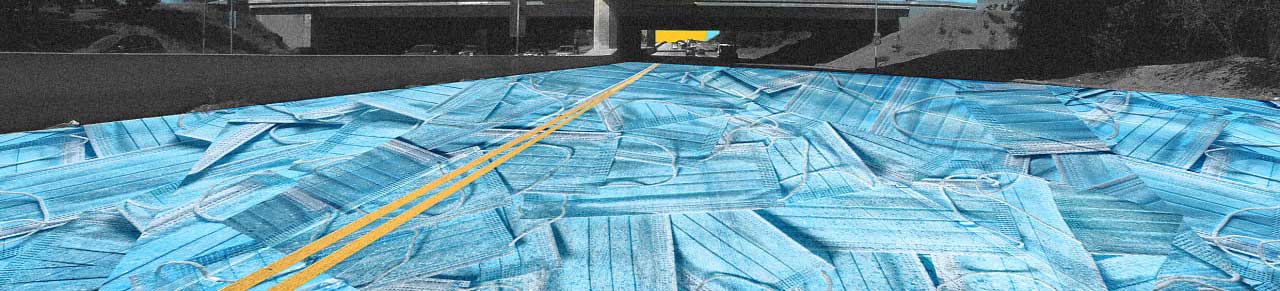
Repurposing of COVID-19 single-use face masks for pavements base/subbase
James Kurpiel, of Kurpiel Inc in Hackensack, New Jersey, practices proactive maintenance before the busy sealmaster coating season by cleaning his sealcoating tanks before the onset of another sealcoating and asphalt season. “We have to get inside the tank to clean it,” he said. “Getting inside a tank is a nasty job, but when I do it I know it’s done right.”
Now we are ready for the season.
Kurpiel Inc of Hackensack NJAsphalt Driveway Contractors19 Orchard St. – Hackensack, N.J. 07601 / Toll Free at 1-800-273-9769 / (201) 342-3170

Commercial Asphalt Maintenance

Asphalt Freeze-Thaw Cycles

